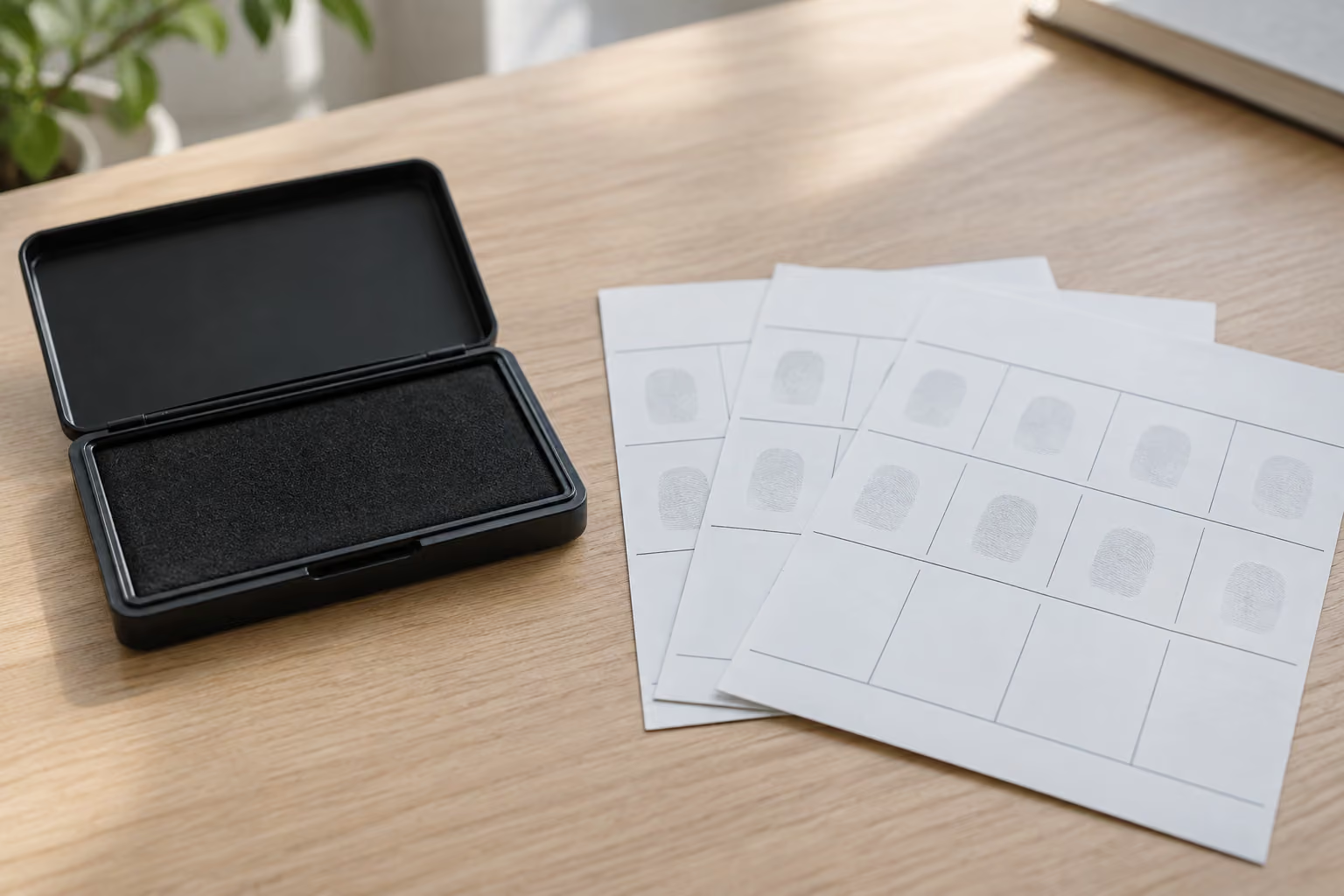
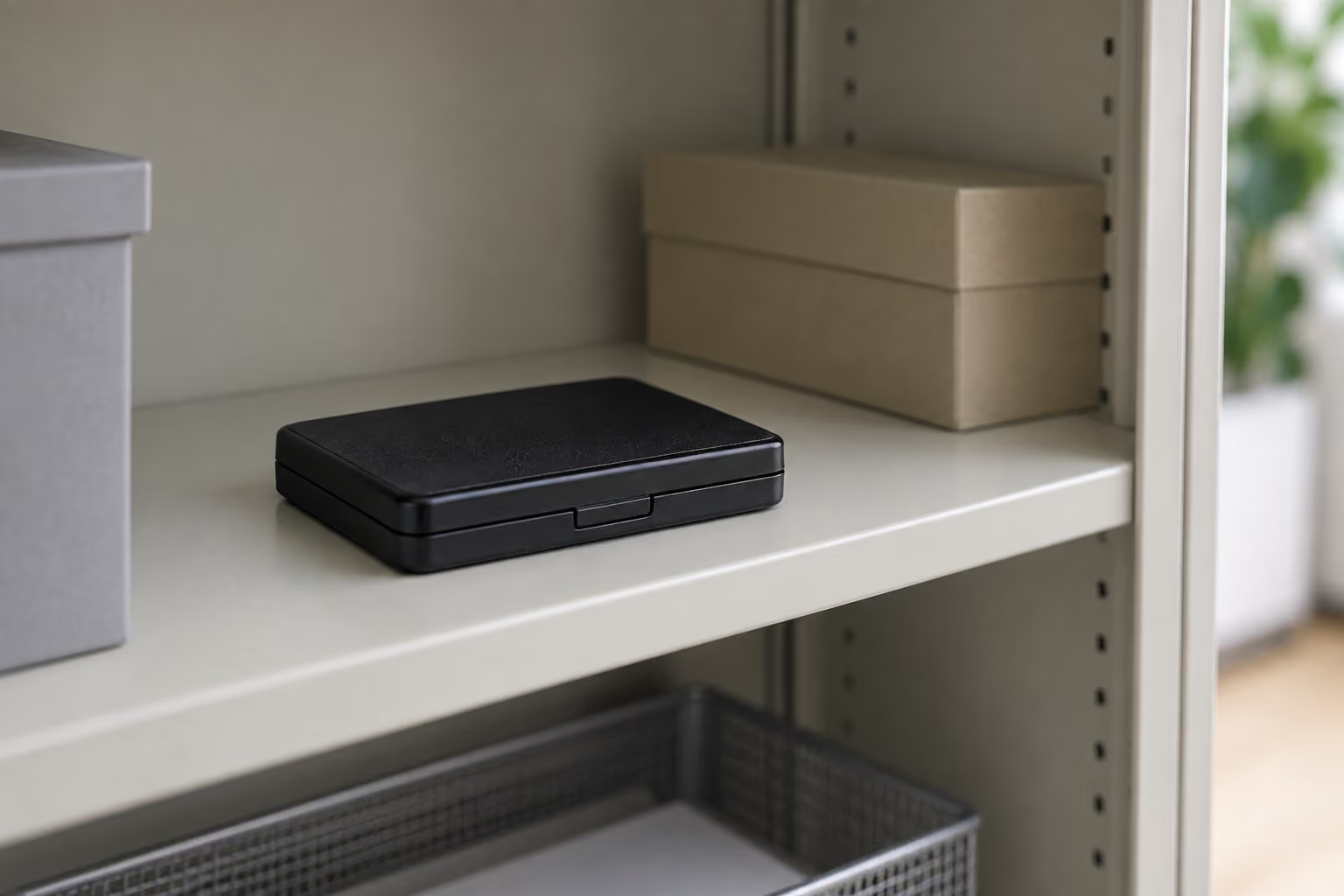
A fingerprint ink pad is a consumable, but most pads fail early for a reason that has nothing to do with the ink: storage. These are the habits that keep a pad producing clean impressions for its full rated life.
Keep the case closed
The single biggest cause of a pad drying out is leaving it open. Every hour with the lid up exposes the ink surface to air, dust and light.
Make closing the case part of the routine after every use, not something you do at the end of the day. At a busy desk, the pad is open dozens of times per shift — a lid that snaps shut is worth more than it looks.
Store it flat, away from heat and direct sun
Store pads flat, lid closed, in a drawer or cabinet. Avoid:
- Direct sunlight and windowsills — UV and heat accelerate drying.
- Radiators, heaters and vehicle dashboards — sustained heat changes the ink’s consistency.
- Freezing temperatures — cold makes ink stiff and impressions patchy until the pad warms up again.
If a pad has been stored somewhere cold, let it return to room temperature before use rather than forcing an impression.
Keep the ink surface clean
Never wipe the ink surface with a dry cloth or paper towel. Lint and fibres embed in the ink and show up as streaks on every subsequent card.
If dust has settled on the surface, a light pass with a clean, dry, lint-free cloth is enough. Do not use solvents, alcohol or water on the pad — they will break down the ink.
Do not over-ink or top up with a different product
A properly rated pad does not need re-inking. If impressions start to look faint, check the storage conditions first.
If you do need to extend a pad’s life, only use ink supplied or approved for that specific pad. Mixing inks from different manufacturers changes the formulation and usually makes legibility worse, not better.
Rotate stock and watch the dates
If you hold inventory — a supply room, a multi-site rollout, or resale stock — rotate it. Use the oldest pads first and keep newer deliveries behind them.
Two practical rules:
- First in, first out. Do not let a carton sit at the back of a shelf for years while newer stock is used.
- Keep the carton sealed until the pads are actually needed. The retail case protects the pad, and the carton protects the case.
Clean the surrounding workspace
Cards smudge for reasons that have nothing to do with the pad. Keep the desk clear of loose paper, dust and residue, and clean ink from fingers between prints where your procedure calls for it.
A quick monthly check
Once a month, take a test impression from each pad in service and compare it against a reference card from when the pad was new. If contrast or coverage has dropped noticeably, replace the pad — a marginal pad costs more in retaken cards than a new one costs to buy.
Handled this way, a 10,000-impression pad will deliver close to its rating. Handled carelessly, the same pad can fail in a fraction of that.